Why Multichannel Is Failing Your Customers?
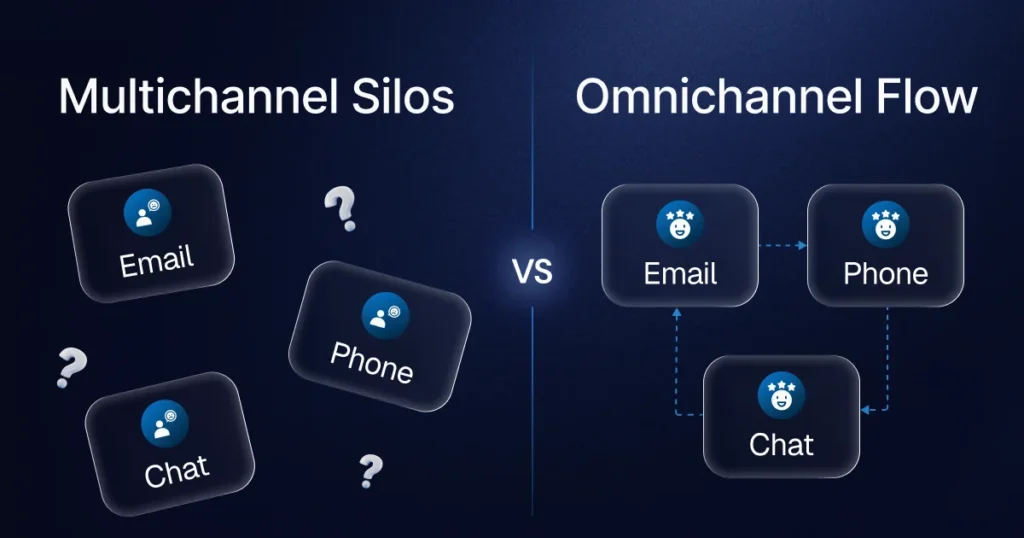
Customer communication channels are the ways a company sends messages to people, like through email, phone calls, or apps. The most common customer communication channels include email, phone, live chat, SMS, and social media. In 2026, the best businesses use an ‘omnichannel’ plan. This just means they make sure all the different ways they talk to you work together smoothly.
Most businesses today use a multichannel approach. They are on email, phone, and social media, but each channel works in its own bubble. A customer who emailed yesterday has to start over when they call today.
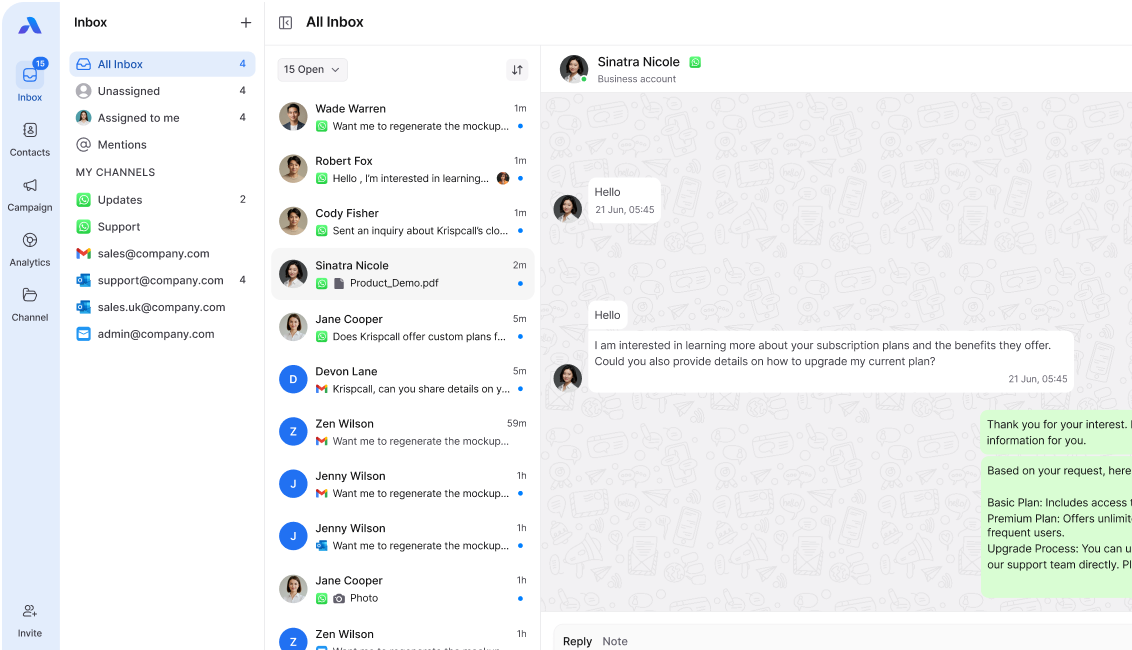
An omnichannel customer service strategy fixes this. Every channel shares the same customer data, history, and context. The customer never has to repeat themselves, and that is now the standard for top-performing brands.
10 Types of Customer Communication Channels to Use in 2026
Here are the 10 channels every business needs to understand this year.
1. Email is still the backbone of business communication. Great for detailed information, paper trails, and follow-ups. Customers expect a reply within 4 to 24 hours.
2. Phone: The go-to for complex or emotional issues. Nothing replaces a real human voice when the stakes are high. Hold times should stay under two minutes.
3. Live Chat Fast, low-friction support directly on your website. Ideal for quick questions during the buying process. Customers expect a reply in under 60 seconds.
4. SMS SMS has a 98% open rate. It is perfect for shipping updates, appointment reminders, and short transactional messages. Response expectations sit at under three minutes.
5. Social Media This is where public complaints live. Fast responses here protect your brand reputation at scale. Customers expect a reply within one hour.
6. WhatsApp Dominant in global markets. It combines messaging, media sharing, and commerce in one app. Response time expectations mirror SMS at under five minutes.
7. Self-Service Portal Let customers help themselves 24/7. A good FAQ section and knowledge base can cut your inbound ticket volume significantly. This channel is always on and always instant.
8. Video (Zoom and Microsoft Teams) Essential for B2B accounts and high-value clients. Video builds trust faster than any other digital format. These calls are typically scheduled in advance.
9. Community Forums: Customers answer each other’s questions here. This reduces your support load and builds brand loyalty over time. Peer responses typically arrive within 24 to 72 hours.
10. AI Chatbots: The new first line of defense. A well-trained bot handles Tier-1 queries instantly before routing the customer to a human agent.
Response Time Benchmarks by Channel
This table covers the core response time benchmarks customers expect in 2026. Falling short of these will hurt your satisfaction scores.
| Channel Name | Typical Response Time Expectation | Best For… | Complexity Level |
| 4 to 24 hours | Alerts, reminders, and delivery updates | Low | |
| Phone | Under 2 minutes hold | Urgent, emotional, or complex issues | High |
| Live Chat | Under 60 seconds | Pre-purchase questions, quick fixes | Medium |
| SMS | Under 3 minutes | FAQs, returns, and password resets | Low |
| Social Media | Under 1 hour | Public complaints, brand engagement | Medium |
| Under 5 minutes | Global customers, multimedia support | Low | |
| Self-Service | Instant (always-on) | FAQs, returns, password resets | Low |
| Video Call | Scheduled in advance | Onboarding, complex B2B issues | High |
| Community | 24 to 72 hours (peer-led) | Product tips, peer-to-peer support | Medium |
| AI Chatbot | Instant | Tier-1 routing, FAQs, triage | Low |
The Decision Matrix: Which Channel for Which Problem?
Not every problem needs a phone call. Not every update needs a full email thread. Matching the channel to the issue type is one of the highest-impact moves in your digital communication strategy.
Complex or high-emotion issues call for high-touch channels. Use the phone for billing disputes, emotional complaints, and urgent outages. Use video for onboarding sessions, contract negotiations, and detailed walkthroughs.
Simple or transactional updates belong on low-friction channels. Use SMS or push notifications for order updates and reminders. Use live chat for return policy questions. Use your self-service portal for password resets and FAQs.
The rule of thumb is simple. The higher the stakes, the more human the channel needs to be. When you get this right, your customer engagement scores improve and so does first-contact resolution. Customers feel understood, not just processed.
The AI Factor: Bots First, Humans When It Counts
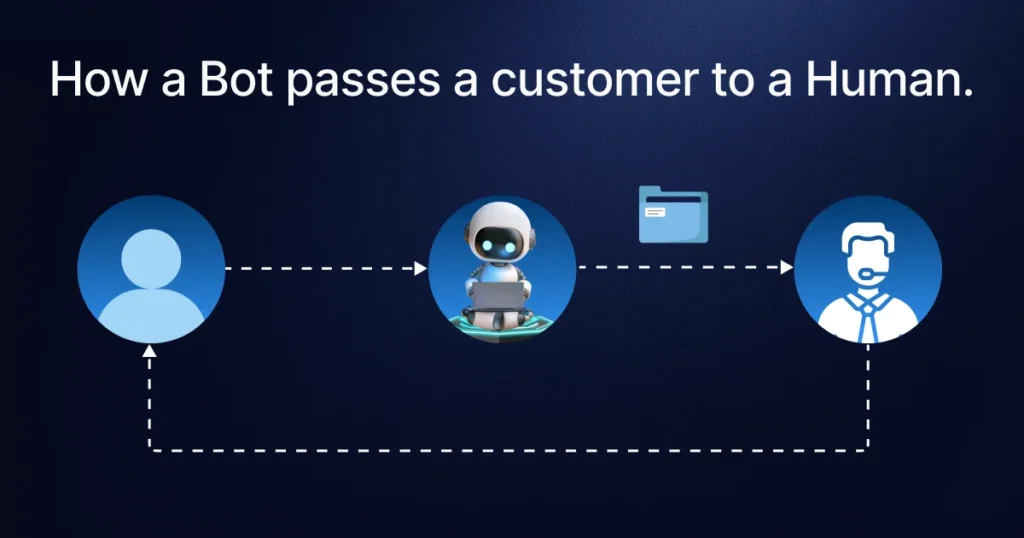
In 2026, AI chatbots will be the first line of defense across most customer communication channels. A well-trained bot can handle 40 to 60 percent of Tier-1 queries without any human involvement. That means faster answers for customers and lower costs for your team.
Here is how a smooth handoff from bot to human works:
- The customer contacts the AI chatbot.
- The bot attempts to resolve the issue or gather information.
- An escalation trigger is hit (three failed attempts, a keyword like “cancel” or “refund,” or a low sentiment score).
- The conversation is transferred to a human agent with full context already attached.
The keyword is context. A bad handoff sends the customer back to square one, forcing them to repeat their whole story. A good handoff means the human agent already knows the customer’s name, account status, what the bot tried, and why it escalated.
Tools like Intercom, Zendesk, and Freshdesk handle this natively. Always tell the customer they are being transferred and why. “I am connecting you to a specialist who can help with this billing question.” feels human. Silently switching them over does not.
“Looking to automate your channels? At Airchannel.ai, we help businesses unify their customer communication channels with AI-powered agents that handle Tier-1 support while keeping the human touch.”
High-Touch Clients: Video Calls Are Now a Core Channel
I have found that switching from monthly emails to 15-minute weekly Zoom check-ins can improve client retention by nearly 30%.
For B2B companies or any business with high-value accounts, platforms like Zoom and Microsoft Teams are no longer optional. They are core customer communication channels in their own right.
The best account teams run weekly cadences. These are short 30-minute video calls with key clients every week. This is not just a nice gesture. It is one of the fastest ways to catch problems early, build real trust, and reduce churn.
Pro Tip: Keep weekly cadence calls short and structured. Use a shared agenda document sent 24 hours before the call. Send a written summary within one hour. Clients who receive consistent, structured communication churn at dramatically lower rates than those who only hear from you when something goes wrong.
Think about what a weekly video call offers that email cannot. You see body language. You notice when a client seems frustrated. You can share your screen and solve problems in real time. No email thread replicates that level of connection.
Building Your Omnichannel Stack in 2026
You do not need all 10 channels on day one. Start with the three that best match your customer base. Add new channels only when you have the team and tools to run them well.
Here is a simple framework to get started:
- Map your customer journey. Where do customers contact you most? Start there.
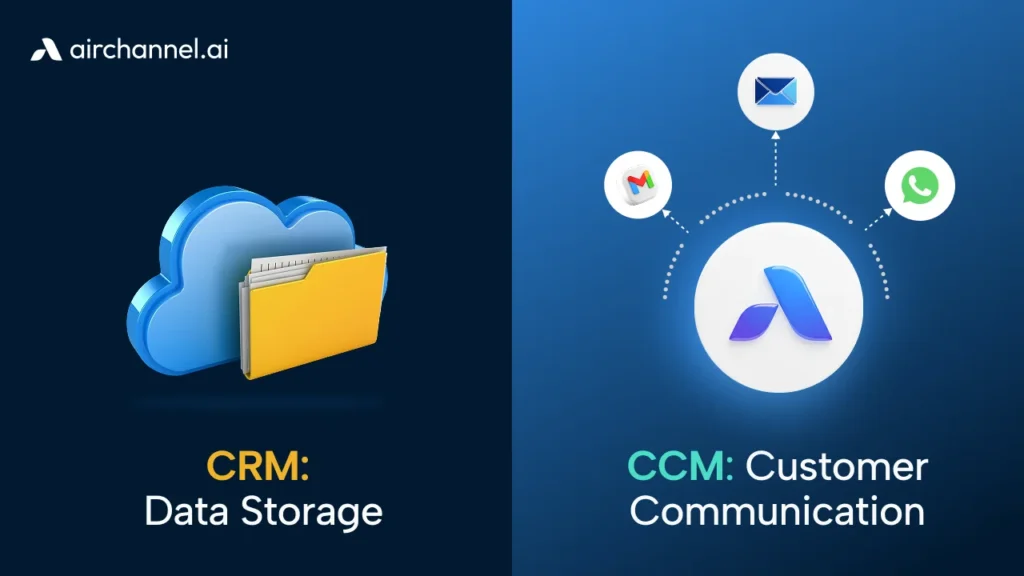
- Pick a central platform. All channels should feed into one inbox or CRM. No silos.
- Set response time benchmarks per channel and make them visible to your whole team.
- Add AI triage. Route Tier-1 queries to a bot before any human agent touches them.
- Measure and adapt. Track first-contact resolution, CSAT scores, and channel usage every month.
Final Thoughts
The best customer communication channels are the ones your customers actually use, answered quickly by someone who already knows their history. That is what a real omnichannel customer service setup delivers.
In 2026, customers do not think in channels. They just remember how they felt after the interaction. Build your digital communication strategy around that feeling, and you will be ahead of most competitors before the year is out.
Once you’ve picked your channels, check out these customer communication examples to see what to say.
Build Your 2026 Communication Strategy with Airchannel
Don’t let your customer data sit in silos. Experience a truly omnichannel approach that scales with your business.
Book a demo with Airchannel.ai today and see how AI can transform your customer engagement.